common pitfalls in selecting home audio equipment systems
When it comes to creating the perfect home audio system, many enthusiasts make mistakes that can lead to disappointment. Selecting audio equipment requires careful consideration and awareness of common pitfalls that can affect sound quality and overall satisfaction. Here are some common mistakes to avoid when selecting your home audio equipment.
Not Considering Room Size
One of the most significant oversights is failing to take the size of the room into account. Larger rooms may require more powerful speakers to fill the space adequately, while smaller rooms can benefit from compact speakers that offer a more intimate listening experience. Always assess your room's dimensions and acoustics before making any purchases.
Ignoring Audio Format Compatibility
With the multitude of audio formats available today, selecting equipment that does not support your preferred format can lead to frustration. Ensure that your audio system is compatible with various formats like MP3, FLAC, and high-resolution audio. Research the specifications of your devices and consult reviews to avoid compatibility issues.
Overlooking Source Quality
The quality of your audio source plays a crucial role in the overall sound experience. Many users invest heavily in speakers and amplifiers but neglect the source. Always ensure that you are using high-quality audio files or streaming services to maximise the potential of your audio equipment.
People Also Look For:
- Razer Seiren Mini - USB Condenser Microphone for Streaming (Compact with Supercardioid Polar Pattern, Tiltable Stand, Integrated S...
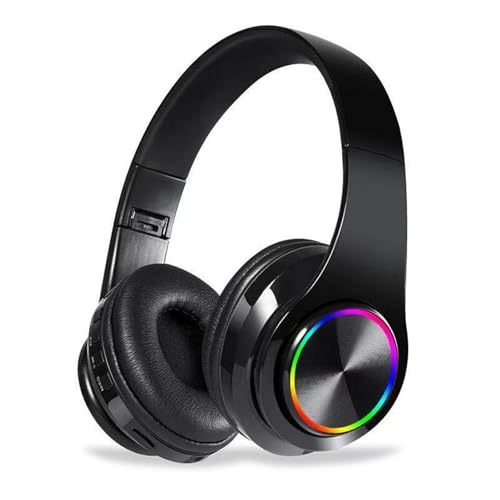
- PowerLocus Kids Wireless Headphones, Bluetooth Headphones for Kids Over Ear with LED Lights, Foldable, Built-in Microphone, Volume...
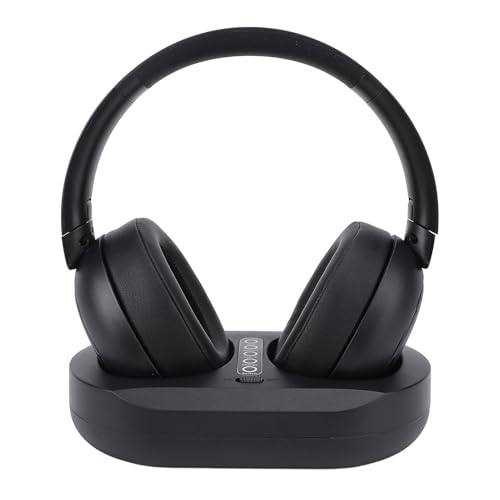
- FXWONTY Wireless Headphones for TV, TV Headphones Wireless for Seniors with Transmitter Charging Base, No Audio Delay, HiFi Stereo...
- HOTUT USB Microphone for Computer, Conference USB Microphone Metal Computer Condenser PC Mic, 360° Omnidirectional, for On...
- ZZOSRDR Bluetooth Headphones Over Ear, Foldable Lightweight Wireless Headset, Wireless Headphones with Built-in Mic, FM, SD/TF for...
Skipping the Importance of Speakers
Speakers are the heart of any audio system, yet many people make the mistake of underestimating their importance. Different types of speakers, such as bookshelf, floorstanding, and satellite speakers, serve unique purposes. Take time to audition various models and understand their strengths and weaknesses in relation to your needs.
Not Paying Attention to Amplification
A common error is choosing speakers without considering the necessary amplification. It is vital to pair your speakers with an appropriate amplifier to ensure they perform optimally. Check the power ratings and impedance of both your speakers and the amplifier to guarantee compatibility and prevent damage.
Rushing the Setup Process
Many enthusiasts fail to take their time during the setup process. Proper speaker placement can dramatically improve sound quality. Avoid placing speakers too close to walls or corners as this can create unwanted resonance and muddiness in sound. Experiment with positioning and use tools like a sound level meter to find the best spots for your speakers.
Ignoring Cables and Accessories
While it may seem like an afterthought, the quality of cables and accessories can significantly impact audio performance. Investing in decent speaker wire, interconnects, and power cables can reduce interference and enhance overall sound. Furthermore, consider adding speaker stands or isolation pads to improve acoustics.
Failing to Factor in Future Upgrades
Many audio enthusiasts focus solely on their current needs, overlooking potential future upgrades. Choose equipment that allows for expansion, such as amplifiers with extra channels or speakers that can be easily added to a surround sound system. This foresight can save you money and hassle in the long run.
Neglecting Personal Preferences
Ultimately, audio is a subjective experience. Many buyers often rely heavily on reviews or friends’ recommendations without considering their personal taste. Take the time to listen to different systems and components yourself. Your preferences in sound signature, bass response, and clarity should guide your decisions.
Ignoring Professional Advice
Finally, do not hesitate to seek professional advice when needed. Many audio retailers offer consultations and demonstrations. Engaging with experts can help you avoid costly mistakes and ensure that you select the right equipment tailored to your preferences and space.